

Number of bags


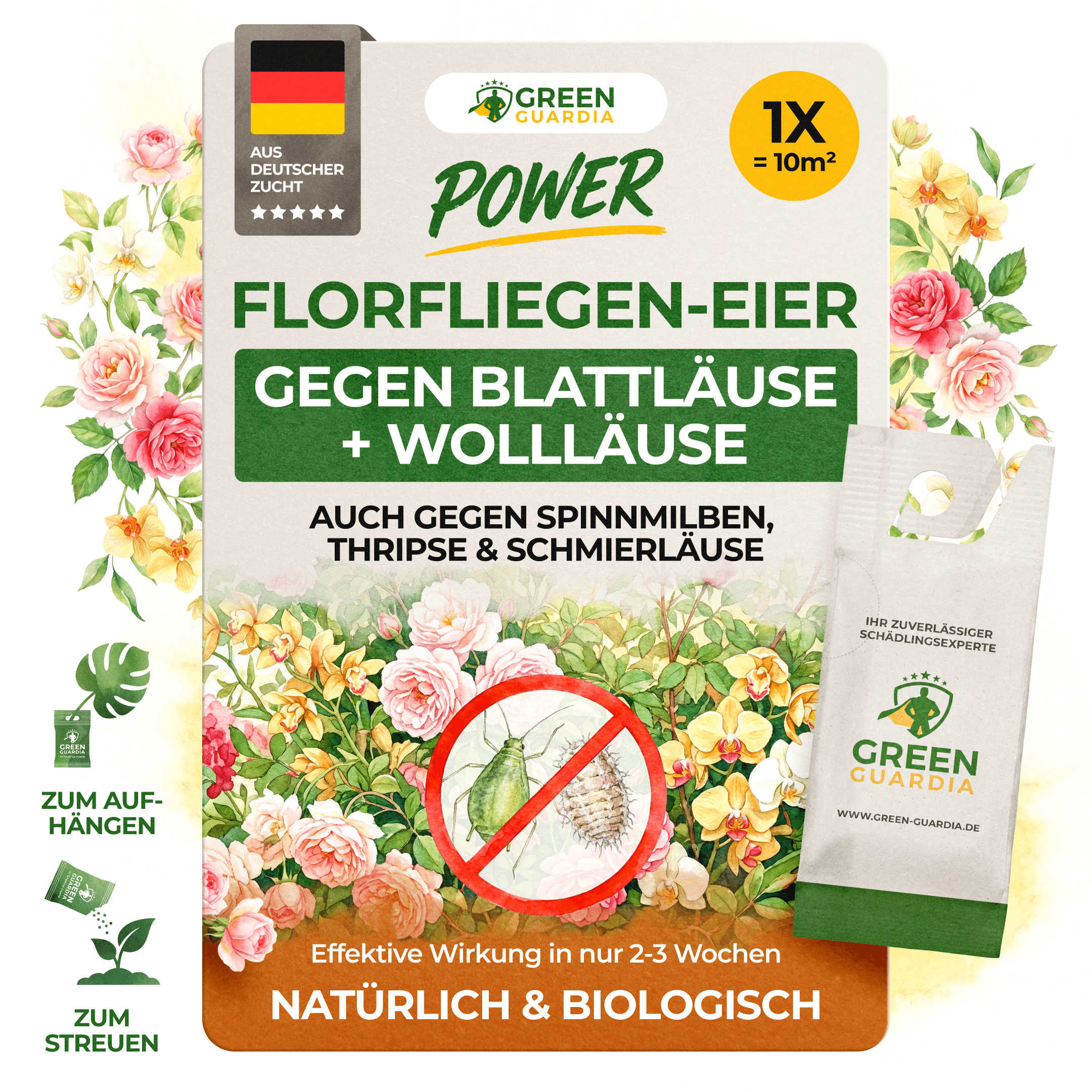
Lacewing larvae eggs against aphids and mealybugs
-
100 % natürliche Hilfe bei Blattläuse & Co.
-
Aus deutscher Zucht – schnell geliefert
-
Ganz ohne Chemie – keine Rückstände
-
Diskret, wirksam & biologisch nachhaltig
-
Unbedenklich für Kinder & Haustiere
Number of bags
Auf Lager - in 2-4 Werktagen bei Dir



Was unsere Kund*innen sagen
-
Wirksamkeit
nicht wirksam sehr wirksam -
Anwendung
kompliziert kinderleicht -
Verträglichkeit
bedenklich sehr sicher
Lieferoption wählen & clever sparen:


Choose options
-
100 % natürliche Hilfe bei Blattläuse & Co.
-
Aus deutscher Zucht – schnell geliefert
-
Ganz ohne Chemie – keine Rückstände
-
Diskret, wirksam & biologisch nachhaltig
-
Unbedenklich für Kinder & Haustiere
Number of bags
Auf Lager - in 2-4 Werktagen bei Dir
Was unsere Kund*innen sagen
-
Wirksamkeit
nicht wirksam sehr wirksam -
Anwendung
kompliziert kinderleicht -
Verträglichkeit
bedenklich sehr sicher
Lieferoption wählen & clever sparen:
-
100 % natürliche Hilfe bei Blattläuse & Co.
-
Aus deutscher Zucht – schnell geliefert
-
Ganz ohne Chemie – keine Rückstände
-
Diskret, wirksam & biologisch nachhaltig
-
Unbedenklich für Kinder & Haustiere
Number of bags
Auf Lager - in 2-4 Werktagen bei Dir
Was unsere Kund*innen sagen
-
Wirksamkeit
nicht wirksam sehr wirksam -
Anwendung
kompliziert kinderleicht -
Verträglichkeit
bedenklich sehr sicher
Lieferoption wählen & clever sparen:
GREEN GUARDIA Lacewing Larvae Eggs – Biological Pest Control for Hanging
The GREEN GUARDIA lacewing larvae eggs in bags are an effective, natural solution for controlling sucking pests such as Aphids, thrips, spider mites and Scale insectsThe tiny larvae hatch directly on the plant, specifically hunt down pests and reduce infestation – completely without chemicals or residues.
The application is particularly easy: Hang up the little bagsCreate suitable conditions – and the "aphid lions" will do the work. Ideal for Houseplants, balconies, greenhouses and professional cultures.
Application tips
- Temperature: Minimum 15 °C, optimal 20–26 °C for successful development.
- No chemicals: Avoid using chemical agents for at least 6 weeks before and during application.
- Remove ants: Ants protect aphids and should be eliminated beforehand.
- Placement: Hang the sachets directly on infested plants or near the source of the pest.
Areas of application for lacewing larvae
- Indoor and ornamental plants: Biological protection for indoor use – without residue.
- Cannabis cultures: Safe for sensitive plants – without affecting the harvest.
- Garden & Greenhouse: Sustainable control of aphids & co.
- Agriculture & Cultivation: An environmentally friendly alternative to chemical agents.
🌿 Conclusion: GREEN GUARDIA Lacewing Larva Eggs for hanging are a natural, effective solution against numerous plant pests – easy to use, powerful in effect and particularly environmentally friendly.
Florfliegenlarven gegen Blattläuse & Co. – die clevere Nützlingslösung in Tüten
Blattläuse, Thripse, Spinnmilben und weitere Schädlinge können Pflanzen erheblich schwächen – ob im Haus, Garten, Gewächshaus oder auf dem Balkon. Die GREEN GUARDIA Florfliegenlarven in Aufhängetüten sind eine effektive, natürliche und vollständig chemiefreie Lösung zur gezielten Schädlingsbekämpfung.
Was macht Florfliegen so effektiv?
Florfliegenlarven gelten als extrem gefräßig – nicht umsonst werden sie auch „Blattlauslöwen“ genannt. Kurz nach dem Schlüpfen beginnen sie aktiv mit der Jagd auf saugende Schädlinge und fressen diese zuverlässig. Die erwachsenen Tiere sorgen anschließend für die nächste Generation.
Florfliegeneier in Tüten – so funktioniert’s
Jede Tüte enthält über 100 Florfliegeneier in unterschiedlichen Entwicklungsstadien. Innerhalb von etwa 2 Wochen schlüpfen die Larven, bekämpfen die Schädlinge aktiv und verschwinden nach getaner Arbeit rückstandsfrei.
- Flächenleistung: Eine Tüte reicht für bis zu 10 m².
- Einsatz: Geeignet für Zimmerpflanzen, Hochbeete, Gewächshaus & Garten.
- Wirkung: Biologisch, effektiv & vollkommen ungiftig.
So wendest du die Tüten richtig an
- Vorbereitung: Öffne die Tüte an der seitlichen Perforation erst direkt am Einsatzort.
- Variante 1: Hänge die geöffnete Tüte direkt in die befallene Pflanze.
- Variante 2: Pflanze leicht befeuchten und die Eier vorsichtig auf betroffene Stellen streuen.
- Wartezeit: Tüte oder Eier mindestens 10 Tage in der Pflanze belassen, damit alle Larven schlüpfen können.
🌱 Tipp: Setze Florfliegenlarven frühzeitig ein – bereits bei den ersten Anzeichen eines Befalls. Eine Wiederholung im Abstand von 2–3 Wochen erhöht die Erfolgsrate deutlich.
Blattläuse, Wollläuse, Thripse & Spinnmilben natürlich bekämpfen – mit GREEN GUARDIA Florfliegenlarven
Blattläuse, Wollläuse, Thripse und Spinnmilben zählen zu den häufigsten und lästigsten Pflanzenschädlingen im Garten, Gewächshaus oder an Zimmerpflanzen. Sie saugen Pflanzensäfte, schwächen das Wachstum und übertragen häufig Krankheiten.
Mit GREEN GUARDIA Florfliegen bekämpfst du diese Schädlinge gezielt und effektiv – 100 % natürlich, rückstandsfrei und ohne Chemie.
Was macht diese Schädlinge so gefährlich?
- Blattläuse: Vermehren sich rasant und übertragen Pflanzenviren.
- Wollläuse: Verstecken sich in Blattansätzen und hinterlassen klebrigen Honigtau.
- Thripse: Saugen an Blättern und Knospen – oft sichtbar durch silbrige Flecken.
- Spinnmilben: Bilden feine Gespinste und verursachen Blattverfärbungen und Blattabwurf.
So beugst du einem Befall vor
- Regelmäßig kontrollieren: Blätter, Blattunterseiten und Triebe frühzeitig prüfen.
- Pflanzen stärken: Gesunde Pflanzen sind weniger anfällig – achte auf Nährstoffe und Bodenqualität.
- Luftzirkulation verbessern: Besonders wichtig in Innenräumen und Gewächshäusern.
- Biologische Nützlinge einsetzen: Florfliegenlarven und Raubmilben ergänzen sich ideal.
🌱 Tipp: Die beste Wirkung erzielst du bei Temperaturen ab 12 °C. Bei starkem Befall empfiehlt sich die Kombination mit Florfliegenlarven oder Raubmilben für maximale Ergebnisse.

GREEN GUARDIA vs. Andere Anbieter
Was uns abhebt von den anderen

|

|

Produkte für Haus, Garten & tiernahe Bereiche |

Unklare Produktinfos |

Nützlinge aus deutscher Zucht |
Unklare Herkunftsangaben |

Praxisnah entwickelt |
Komplizierte Auswahl |

Klare Anwendungshinweise |
Wenig Anwendungshinweise |

Frisch abgefüllt bzw. sorgfältig verpackt |
Längere Lager- oder Lieferzeiten möglich |

Deutsche Zucht
Nützlinge aus kontrollierter deutscher Zucht – Qualität, auf die du dich verlassen kannst

Expertenberatung
Anwendungstipps und Unterstützung von unseren Experten – gezielt und effektiv.

Schnelle Hilfe
Unsere Nützlinge sind sofort einsatzbereit und helfen gezielt bei akutem Befall im Haus oder Garten.

Natürlich & sicher
Unbedenklich im Alltag – der Einsatz ist absolut risikofrei für Kinder, Haustiere & Pflanzen.
Wir lassen unsere Kund:innen sprechen.
Natürliche Schädlingsbekämpfung
Bei GREEN GUARDIA findest du für jedes Schädlingsproblem die passende natürliche Lösung – ganz ohne Chemie.
Ob Schlupfwespen gegen Motten, Raubmilben gegen Spinnmilben oder Nematoden gegen Trauermücken und Schnecken – unsere Nützlinge helfen zuverlässig im Haus, Garten oder Gewächshaus.
Als Spezialist für biologische Schädlingsbekämpfung stehen wir für Qualität, Innovation und eine nachhaltige Wirkung – im Einklang mit Natur, Mensch und Tier.

Expertenberatung – Persönlich & Praxisnah
Unsere Fachberater unterstützen dich mit gezielten Anwendungstipps und langjähriger Erfahrung in der natürlichen Schädlingsbekämpfung. Ob Fragen zur Ausbringung, Kombination verschiedener Nützlinge oder Auswahl des passenden Produkts – wir helfen dir schnell und kompetent weiter.
FAQ Florfliegen
Du hast Fragen zu unseren Produkten, zur Anwendung oder zum Versand? Hier findest du die wichtigsten Antworten auf einen Blick. Sollte etwas unklar bleiben, melde dich gerne bei uns!
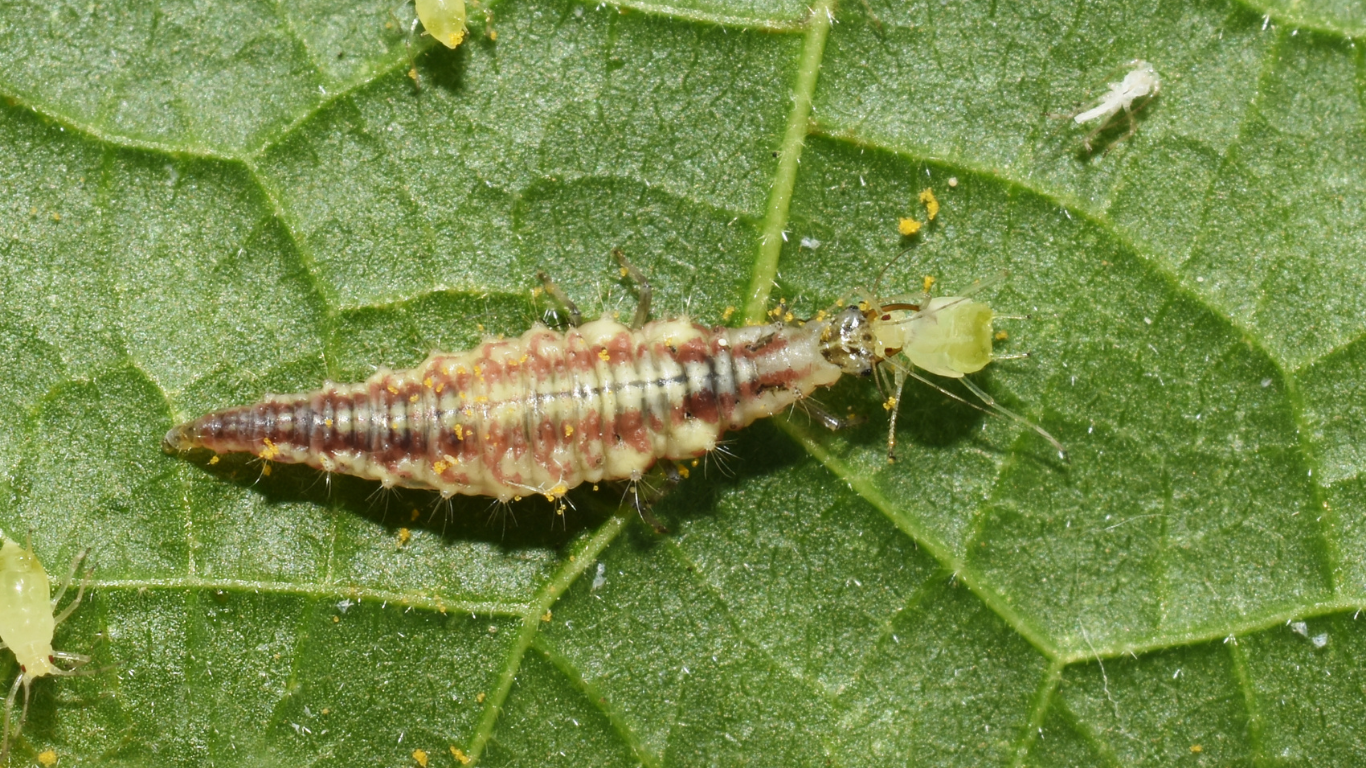
Florfliegenlarven sind natürliche Nützlinge, die gezielt Schädlinge wie Blattläuse, Wollläuse, Thripse und Spinnmilben bekämpfen. In der Pappwabe befinden sich ca. 500 Larven, die direkt über den Pflanzen ausgeklopft werden.
Florfliegenlarven sind sehr effektiv gegen Blattläuse, Wollläuse, Thripse, Spinnmilben und gelegentlich auch gegen weiße Fliegen.
Die Larven schlüpfen aus der Pappwabe, suchen gezielt nach saugenden Schädlingen und fressen sie auf. Nach ca. zwei Wochen verpuppen sie sich und beenden ihren aktiven Fresszyklus.
Eine Pappwabe enthält ca. 500 Larven in verschiedenen Entwicklungsstadien.
Die Larven sind etwa 2–3 Wochen aktiv. In dieser Zeit fressen sie intensiv Schädlinge. Danach erfolgt die Verpuppung.
Ja, sie eignen sich für Balkon, Terrasse, Gewächshaus, Hochbeete und geschützten Gartenbereich. Direkte Sonne und starker Regen sollten jedoch vermieden werden.
Die Larven kommen sicher verpackt in einer Pappwabe, die direkt ausgebracht werden kann. Der Versand erfolgt temperaturabhängig.
In der Regel 1–3 Werktage. Bei extremen Temperaturen kann sich der Versand verzögern, um die Qualität der Nützlinge zu gewährleisten.
Ja, die Wabe sollte möglichst sofort nach Erhalt ausgebracht werden. Bis dahin bitte kühl (8–12 °C) und dunkel lagern – aber nicht einfrieren!
Die Lieferung erfolgt mit Larven in verschiedenen Entwicklungsstadien, sodass eine langanhaltende Wirkung entsteht.
Die Larven sind oft nur schwer sichtbar. Du kannst kleine Bewegungen oder das langsame Herauskriechen beobachten. Wirkt die Wabe trocken oder leer, kontaktiere den Support.
Bitte sofort Fotos machen und den Kundenservice kontaktieren – in der Regel wird schnell und kulant nachgeliefert.
Die Wabe direkt über den befallenen Pflanzen vorsichtig ausklopfen oder auflegen. Nicht in die Spitzen hängen – ideal sind Blattachseln oder der Topfrand.
Bei Befall: 1 Wabe für ca. 10 m².
Vorbeugend: 1 Wabe für ca. 20 m².
Bei ersten Anzeichen von Schädlingen. Optimal sind Temperaturen zwischen 12 °C und 30 °C.
Bereits nach wenigen Tagen beginnt die Wirkung. Der sichtbare Rückgang der Schädlinge erfolgt meist innerhalb von 7–14 Tagen.
Nein, sie kann einfach über den Pflanzen ausgeschüttelt oder flach auf die Erde gelegt werden. Die Larven wandern selbständig aus.
Ja. Bei starkem Befall empfiehlt sich eine Folgeanwendung nach 2–3 Wochen.
Nein, sie sind völlig ungefährlich für Menschen, Haustiere und Pflanzen. Es handelt sich um natürliche Nützlinge.
Ja, sie lassen sich gut mit z. B. Schlupfwespen oder Raubmilben kombinieren – je nach Schädling.
Nach der Fressphase verpuppen sich die Larven. Es entstehen keine Rückstände, und es bleibt keine dauerhafte Population bestehen.
Auch ohne sichtbare Schädlinge kann eine Anwendung sinnvoll sein, da Larven oft versteckt oder in frühen Stadien aktiv sind.
Ja, sie sind auch für empfindliche Kulturen wie Kräuter oder Cannabis bestens geeignet.
Prüfe Temperatur, Luftfeuchtigkeit, Ameisenbefall und eventuelle Rückstände von Pflanzenschutzmitteln. Eine Wiederholung oder Kombination mit anderen Nützlingen kann sinnvoll sein.


