





















































Calamondin Orange (Citrus calamondin) – Care, Location & Tips
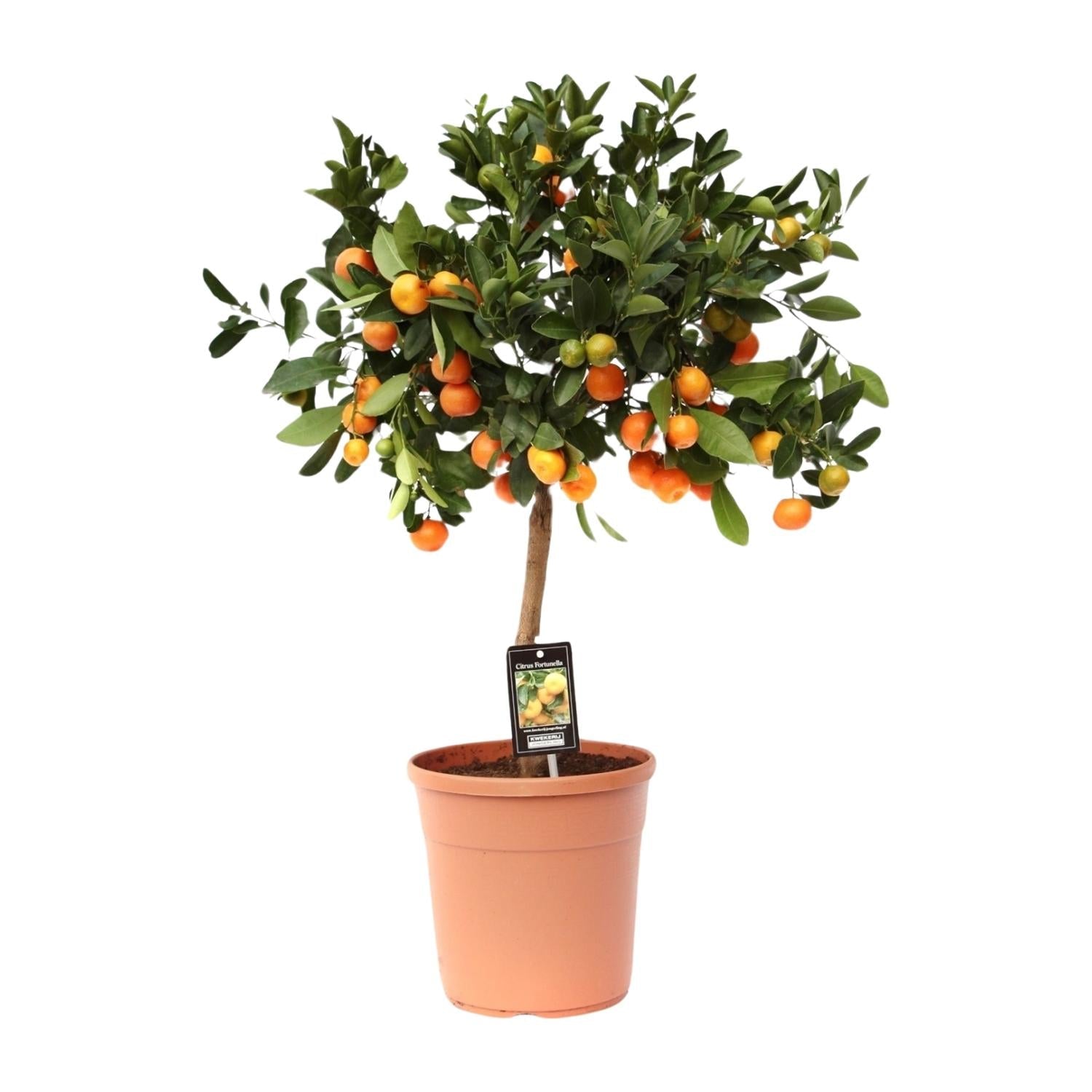
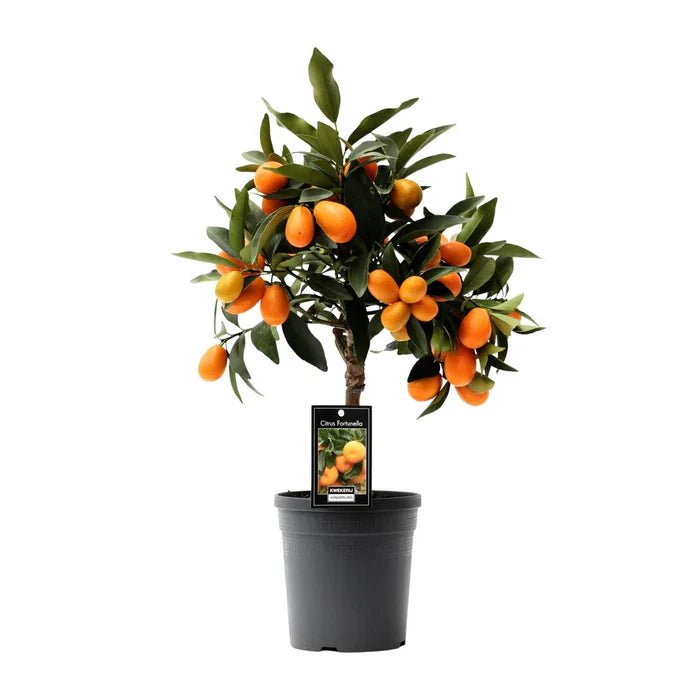
The Calamondin orange is the jewel among indoor citrus plants. As a hybrid between a mandarin and a kumquat, Citrus calamondin combines the best of both worlds: it is robust, blooms readily, and bears bright orange fruit almost year-round. In this guide, you will learn how to successfully care for your Calamondin orange and bring a touch of Mediterranean holiday feeling into your home.
Origin & Characteristics
Originally from China, the Calamondin orange made its way to us via the Philippines. Unlike many other citrus species, the Calamondin orange (Citrus calamondin) copes surprisingly well with the drier climate in living spaces. It is characterized by its fragrant white flowers, which are often seen on the plant at the same time as the ripe fruit.
Appearance & Growth
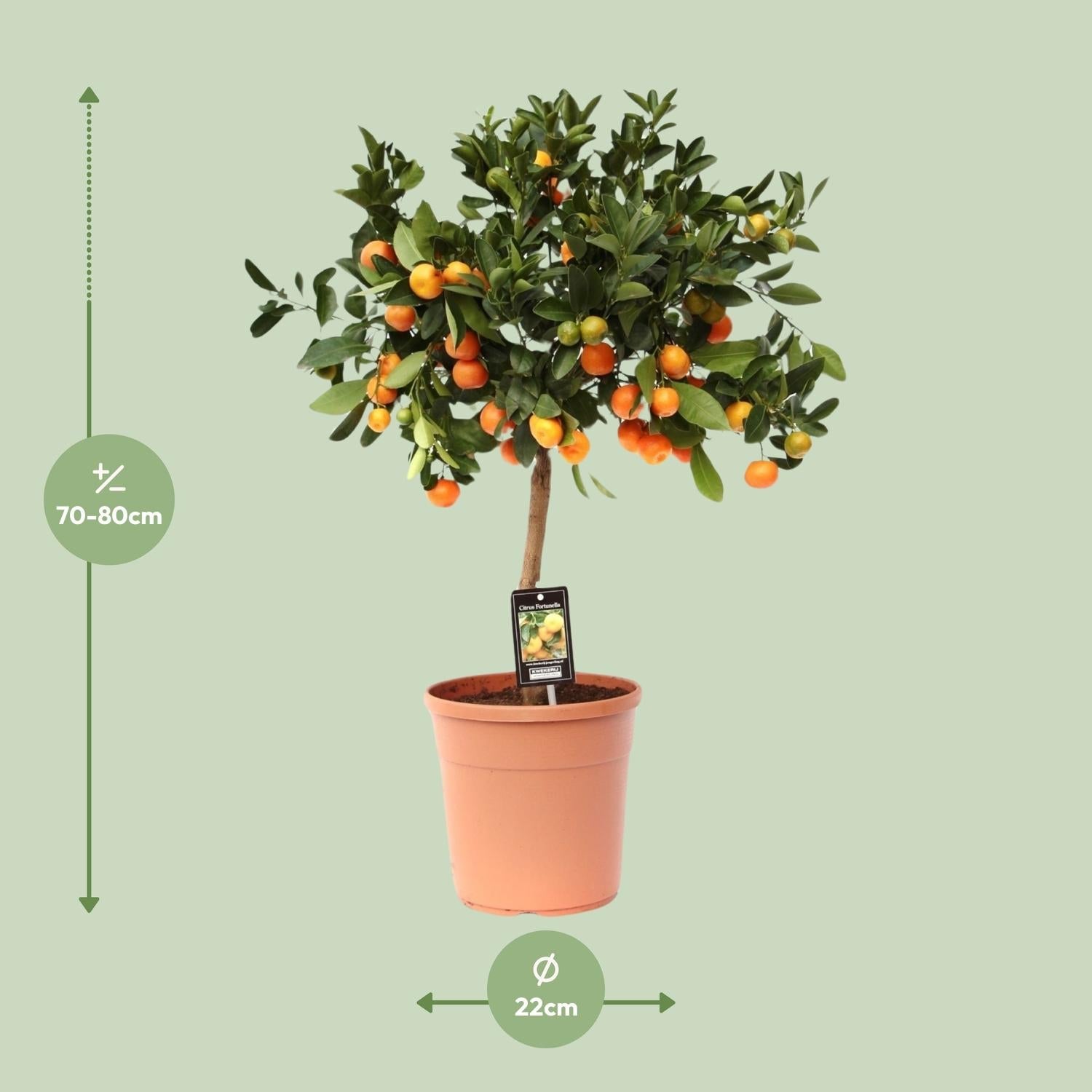
The plant grows as a compact, densely branched shrub. With a delivery size of 40–80 cm, the Calamondin orange is already a handsome eye-catcher. Its leaves are small, oval, and glossy dark green. The fruits resemble small mandarins, but have a tarter, more acidic aroma, making them perfect for jams or as an addition to drinks.
The Right Location for Your Calamondin Orange
Where does the Citrus calamondin feel most at home?
Light is the most important source of energy when caring for a Calamondin orange. A spot in the sun is a must.
- Light: Full sun and bright. A south-facing window is ideal. In summer, it loves a spot outdoors.
- Temperature: Warm in summer. In winter, it prefers cooler quarters (10–15 °C), but it can also withstand normal room temperatures at a very bright window.
- Air: It dislikes cold drafts, but benefits from good air circulation.
Care & Watering: How to care for a Calamondin orange
Water and nutrient requirements
Water your Citrus calamondin regularly as soon as the top layer of soil (approx. 2 cm) has dried out. Waterlogging must be strictly avoided, as the roots are very sensitive to a lack of oxygen. If possible, use lime-free water or room-temperature tap water.
Typical Problems & Solutions
Why is my Citrus calamondin getting yellow leaves?
Yellow leaves (chlorosis) are often a sign of nutrient deficiency (especially iron) or water that is too hard (lime-heavy). If the plant is losing leaves, it is usually due to a lack of light in winter or waterlogging. Check the soil moisture of your Calamondin orange regularly and ensure it receives sufficient brightness.
🍊 Harvest tip: The fruits of the Calamondin orange can remain on the plant for a long time. They taste best when they are fully colored. You can even use them together with the peel!
Prevention & Long-term Care
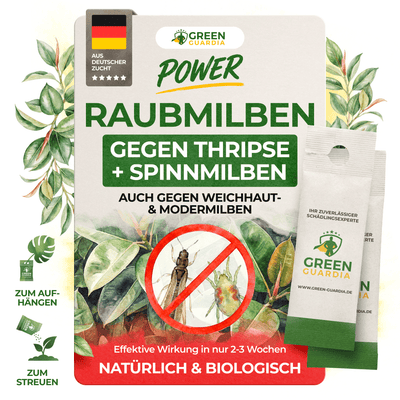
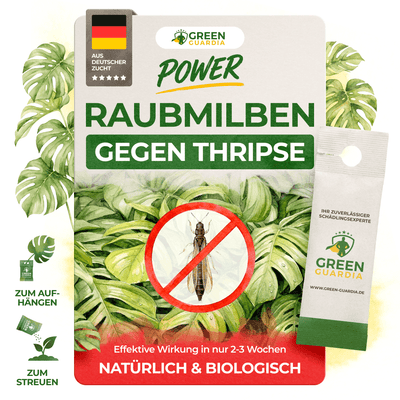
Use special citrus potting soil with good drainage. During the growth phase from March to August, the plant needs a liquid citrus fertilizer every two weeks. To prevent pests like spider mites or scale insects, you can spray the leaves regularly with soft water. Natural care products are suitable for generally strengthening the health of the plant.
FAQ about the Calamondin orange
Can you eat the fruits of the Calamondin orange?
Yes, the fruits are edible. They are very sour and aromatic. They are excellent for tea, cocktails, desserts, or making fruity orange marmalade.
How often does the Calamondin orange need to be repotted?
Repotting is advisable about every two to three years in the spring. Choose a pot that is only slightly larger, as citrus plants often produce fewer flowers in pots that are too big.
Is the Citrus calamondin hardy?
No, it cannot tolerate frost. As soon as temperatures consistently fall below 5–8 °C, it should be brought indoors.
Take action now:
The Calamondin orange is the perfect choice for anyone looking for something special while also wanting an easy-care edible plant. With its captivating floral scent and bright fruits, it will quickly become a favorite in your home. Ensure plenty of light and moderate watering – your Calamondin will thank you with a rich harvest.
Bring the south into your home! Order your healthy Calamondin orange (Citrus calamondin) from us now and enjoy your own citrus fruits!