




































Climbing Plant Clematis ‘Tricolour’ – Care, Location, Growth & Frequently Asked Questions
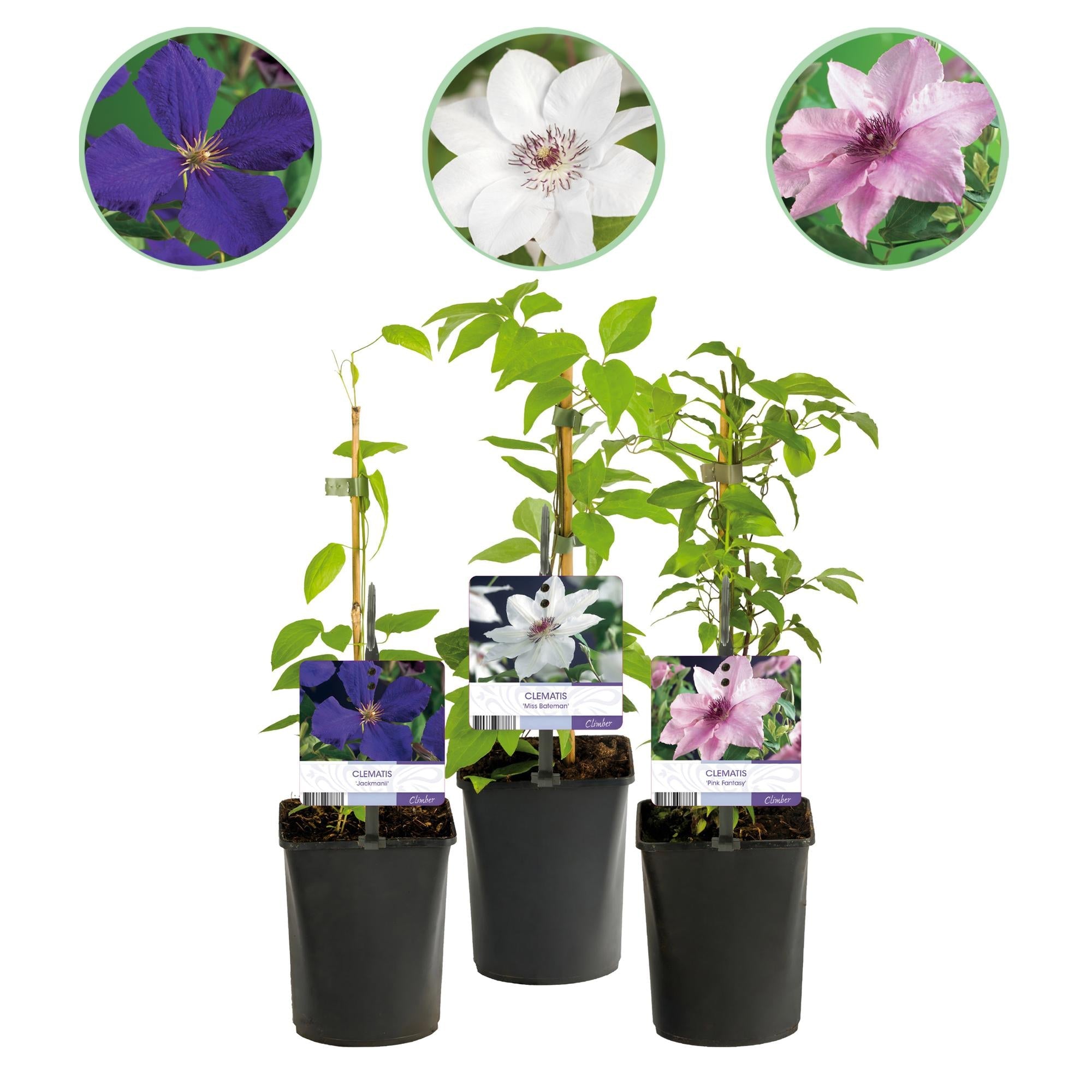
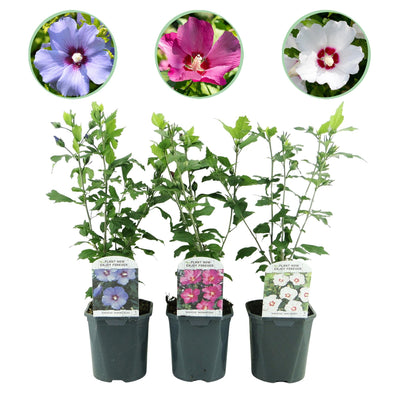
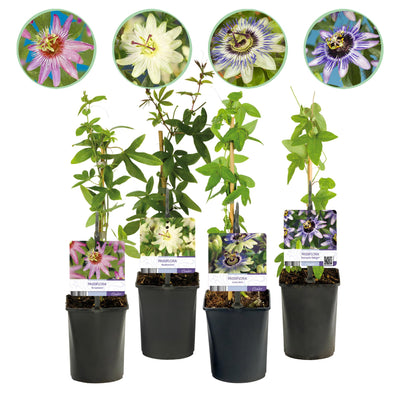
The Clematis ‘Tricolour’ is an impressive climbing plant with extraordinary color variety. Its blossoms combine pink, white, and purple in a harmonious interplay of colors, providing vibrant accents on fences, pergolas, or trellises. With its compact starting height of approx. 40 cm, it is ideally suited for both gardening beginners and experienced plant lovers alike.
A practical set of three plants – such as the Clematis ‘Tricolour’ in an 11 cm pot – allows you to achieve quick and extensive greenery.
Origin & Characteristics of the Clematis ‘Tricolour’
Where does the Clematis originate from?
Clematis species originate primarily from temperate regions of Europe and Asia. They belong to the Ranunculaceae family and are known for their great variety of cultivars.
- Perennial, hardy climbing plant
- Abundantly blooming from early to mid-summer
- Ideal for climbing aids, trellises & pergolas
- Easy to care for in the right location
Appearance & Growth of the Clematis ‘Tricolour’
How fast does the Clematis grow?
Clematis are considered moderate to fast-growing climbers. Depending on the location, they can gain 50–100 cm in length per year. The tricolor flowers appear in large numbers and create bright highlights in the garden.
With a strong start provided by the Clematis ‘Tricolour’ plant set , you will quickly develop dense, free-flowering wall greenery.
The Right Location for Clematis ‘Tricolour’
What is the ideal location?
- Sunny to partially shaded
- Root area shaded and cool
- Humus-rich, well-draining soil
- Climbing aid required
A proven gardener's tip: “Head in the sun, feet in the shade.” A layer of mulch or low-growing companion plants protects the root area from drying out.
Proper Care for the Clematis ‘Tricolour’
How often should you water Clematis?
Regular watering is especially important during the establishment phase. The soil should be evenly moist, but not wet. Avoid waterlogging.
When should you prune Clematis?
Depending on the flowering period, ‘Tricolour’ usually belongs to pruning group 2 or 3. A light pruning in spring encourages bushy development and a rich bloom.
With healthy young plants such as the climbing plant Clematis ‘Tricolour’ , you create the ideal conditions for vigorous growth.
Typical Problems & Solutions
Why is my Clematis wilting?
So-called Clematis wilt can be caused by fungal diseases. Affected shoots should be removed. An airy location and well-draining soil act as prevention.
Few flowers – what is the reason?
Too much shade or incorrect pruning can reduce the flowering intensity. Adapted pruning and sufficient sun promote new bud formation.
Propagation
How do you propagate Clematis?
Propagation is carried out via cuttings or layering. However, for guaranteed cultivar authenticity, it is recommended to buy certified young plants.
Prevention & Long-term Care
Annual fertilization in the spring as well as consistent watering support vigorous shoots and intense blossom colors in the long term. Climbing aids should be securely fastened to support the weight of the plant.
Frequently Asked Questions about the Clematis ‘Tricolour’
Is the Clematis ‘Tricolour’ hardy?
Yes, the plant is hardy. Slight winter protection is recommended if in a container.
Can you keep Clematis in a pot?
Yes, with a sufficiently large container and a climbing aid, it also thrives very well on balconies or terraces.
How long does the Clematis bloom?
Depending on the variety and location, it blooms from late spring into the summer.
Take action now:
The Clematis ‘Tricolour’ brings vibrant colors and vertical structure into your garden. With the right location, a sturdy climbing aid, and regular care, you can develop an impressive flowering wall.
Get started with the Clematis ‘Tricolour’ Set and transform fences or pergolas into blooming highlights.