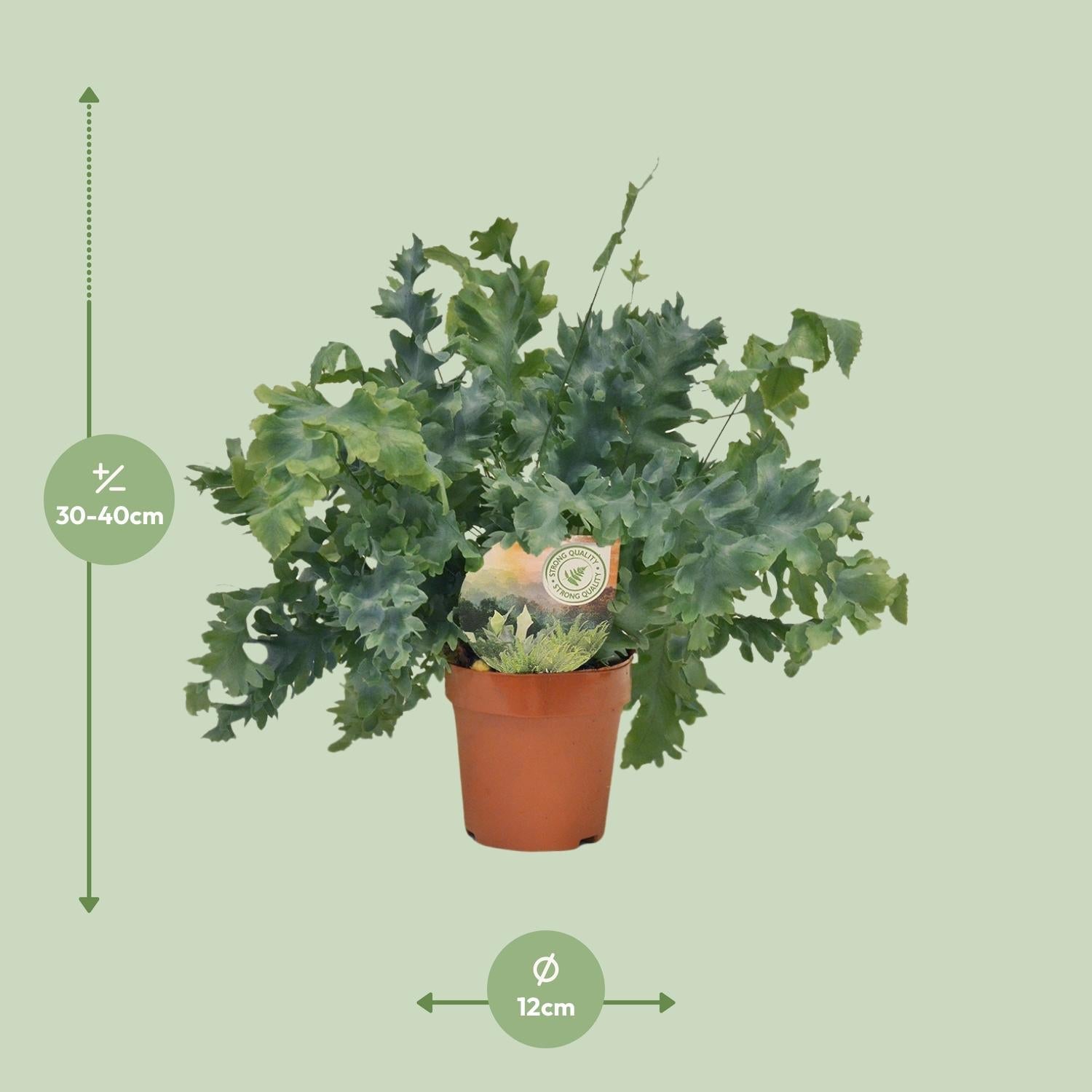


































The Phlebodium Davana is truly special among indoor ferns. With its striking, heavily waved leaves and noble blue-green shimmer, it instantly adds elegance to any room. Unlike many of its delicate relatives, the Davana fern is considered much more robust and forgives minor care mistakes, making it an ideal companion for modern plant lovers.
Origin & Characteristics
The Davana fern is a cultivar of the Blue Star Fern (Phlebodium aureum), which is originally native to the tropical and subtropical regions of America. It often grows there epiphytically on trees. The special feature of the Phlebodium Davana lies in its rhizome – the fuzzy, above-ground roots that can store water and nutrients.
Appearance & Growth
Indoors, the Phlebodium Davana usually reaches a handsome size of between 35 and 60 cm. Its fronds are deeply lobed and look particularly voluminous due to their curled edges. A healthy specimen shows vigorous growth and constantly forms new, light green shoots that later take on their typical bluish "frosty" look.
The ideal Phlebodium Davana location
Where does the Davana fern feel most at home?
The Davana fern loves bright to semi-shaded spots but should never be placed in direct midday sun. A spot near a north or east-facing window is ideal. Since ferns prefer higher humidity, the Phlebodium Davana location in the bathroom or kitchen is often perfectly suitable. However, avoid placing it in the immediate vicinity of drafty doors or dry heating air.
Caring for the Davana fern & proper watering
When caring for the Davana fern, the watering method is crucial: The soil should always remain slightly moist, but must never be waterlogged. Standing water quickly leads to root rot. An important tip: Always water the fern along the edge of the pot and never directly into the heart of the plant (into the rhizome), as this can promote rot.
Typical problems & solutions
Brown leaf tips or dried-out fronds
If your Phlebodium Davana develops brown edges, the cause is usually low humidity. Regularly misting the fronds with low-lime water helps the plant stay vibrant. If entire fronds turn brown, this can be a sign of a location that is too sunny or a completely dried-out root ball.
Support for plant health
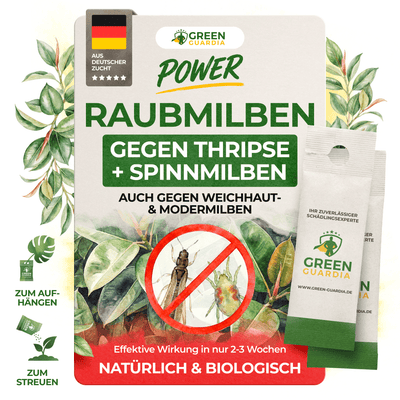
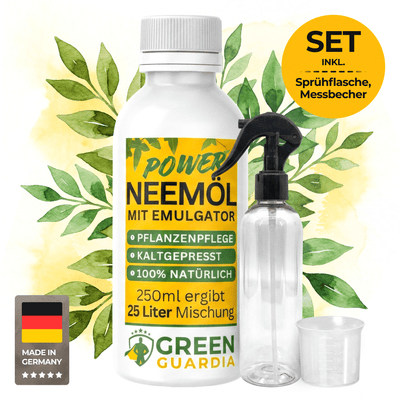
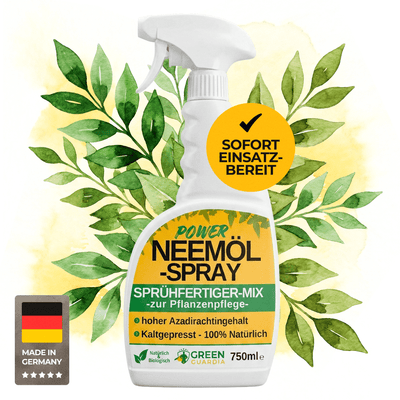
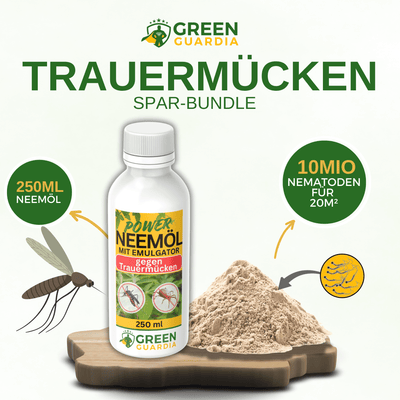
Although ferns are less likely to be infested by pests, scale insects can occur under stress. Neem oil has proven effective for strengthening and as natural care support. It nourishes the leaf surfaces of your Davana fern naturally and helps the plant maintain its resistance to external influences.
Propagation
The easiest way to propagate is by dividing the rootstock when repotting in the spring. Make sure that each segment has at least one fuzzy rhizome piece and a few fronds. Place the new plants in loose, humus-rich substrate.
FAQ about the Phlebodium Davana
Is the Phlebodium Davana toxic to pets?
Good news for animal lovers: The Phlebodium Davana is considered non-toxic to cats and dogs. It is therefore a safe choice for a pet-friendly household.
Why is my Davana fern losing leaves?
Moderate leaf loss of the oldest fronds is normal. However, if it loses a massive amount of green leaves, this is often due to waterlogging or a location that is too dark. Check the moisture of the soil.
How often do I need to fertilize the Davana fern?
During the growth phase from March to September, applying liquid fertilizer every four weeks at half concentration is sufficient. In winter, the fern does not require any fertilizer.
Take action now: Get the blue fern magic
The Phlebodium Davana is the perfect choice if you are looking for an extraordinary, air-purifying plant with character. It is easier to care for than classic indoor ferns and will reward you with a lush, blue-green silhouette if watered correctly. Would you like to enrich your home with this exotic beauty? Discover our healthy Davana fern in 35-60 cm size now and create your own tropical oasis of calm!
🌿 Pro tip: The fuzzy rhizomes of the fern are no cause for concern – quite the opposite! They are a sign of health and should never be covered with soil when repotting, as they thrive best in the air.